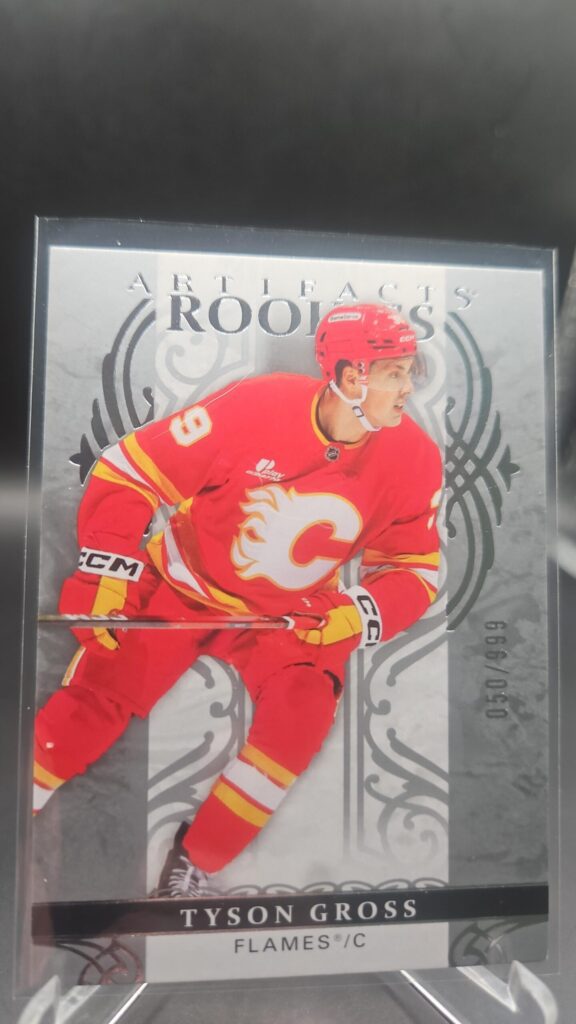
Hockey UD Artifacts – Parallels
Hockey UD Artifacts – Parallels
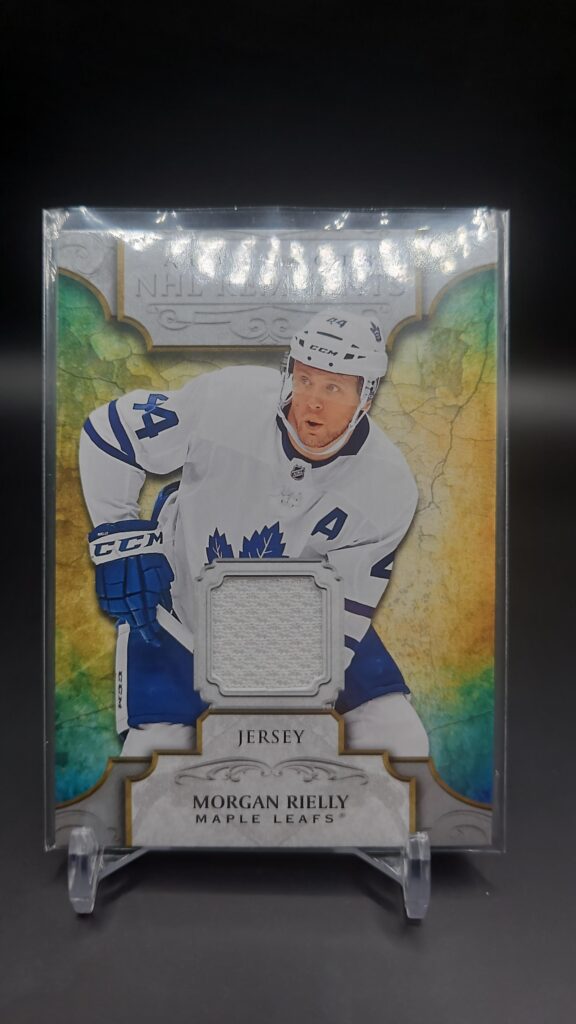
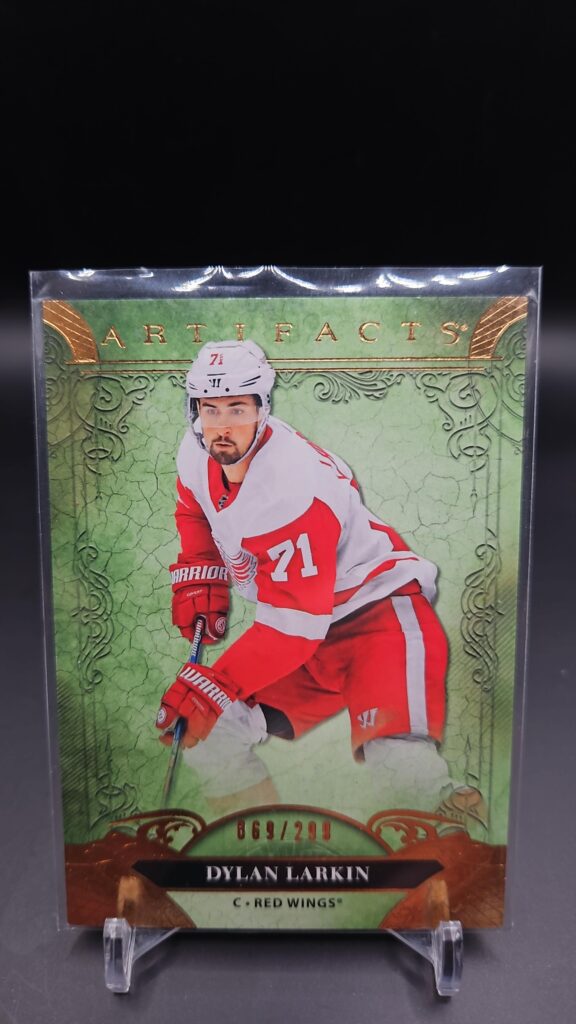
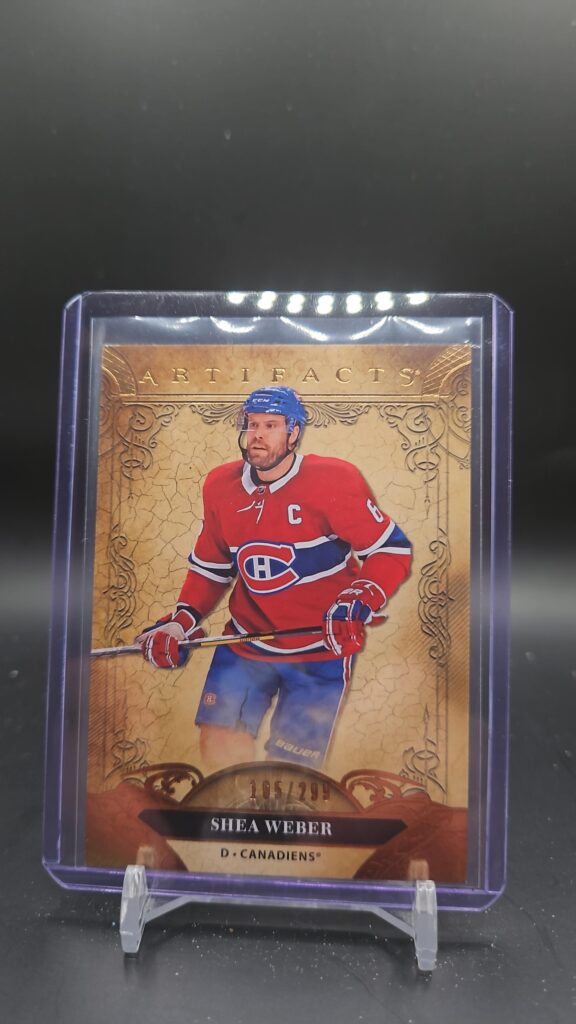
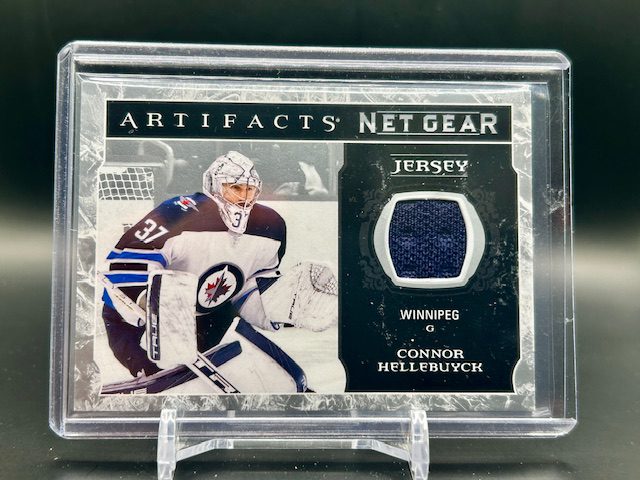
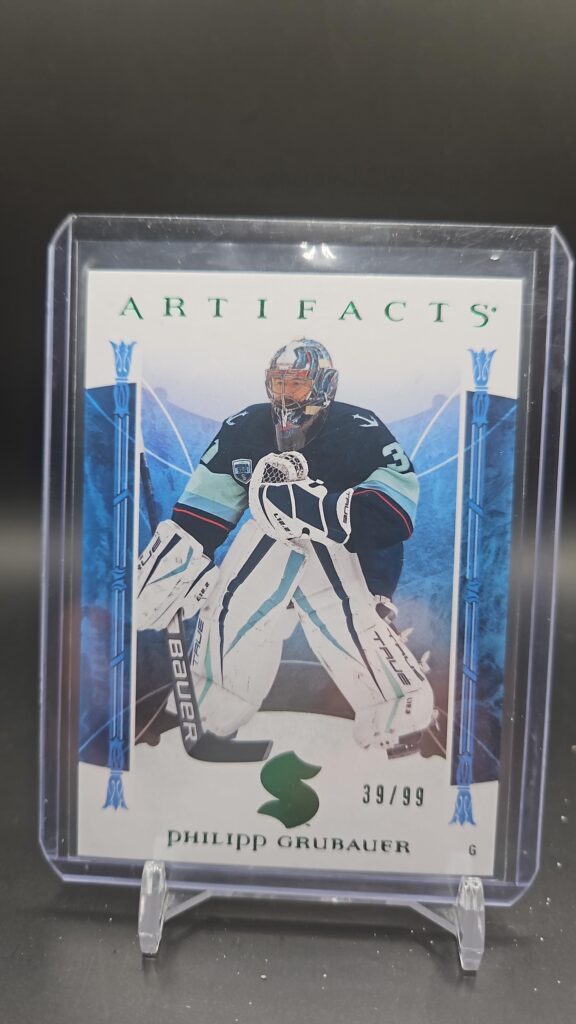
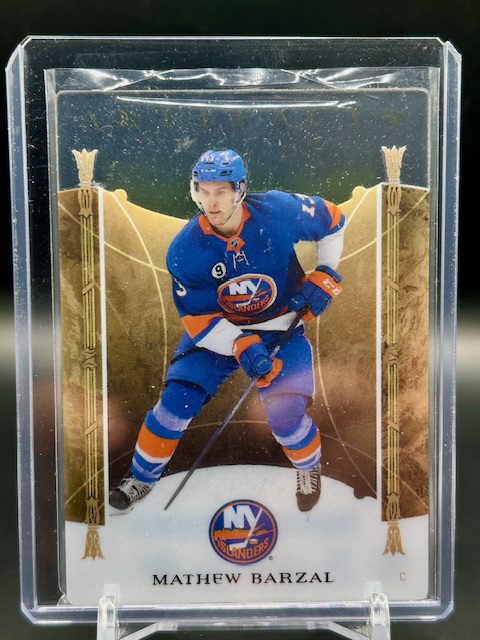
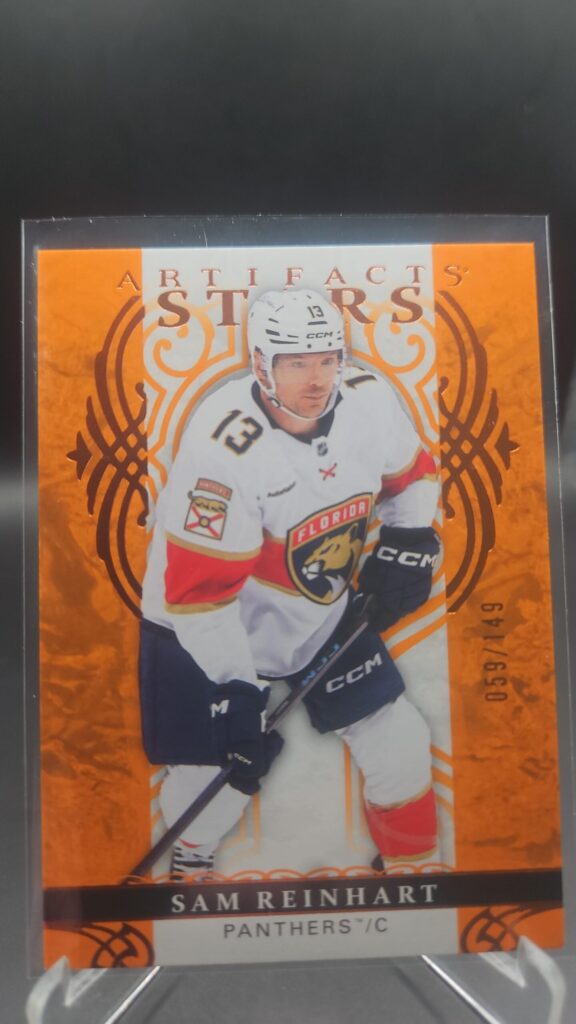
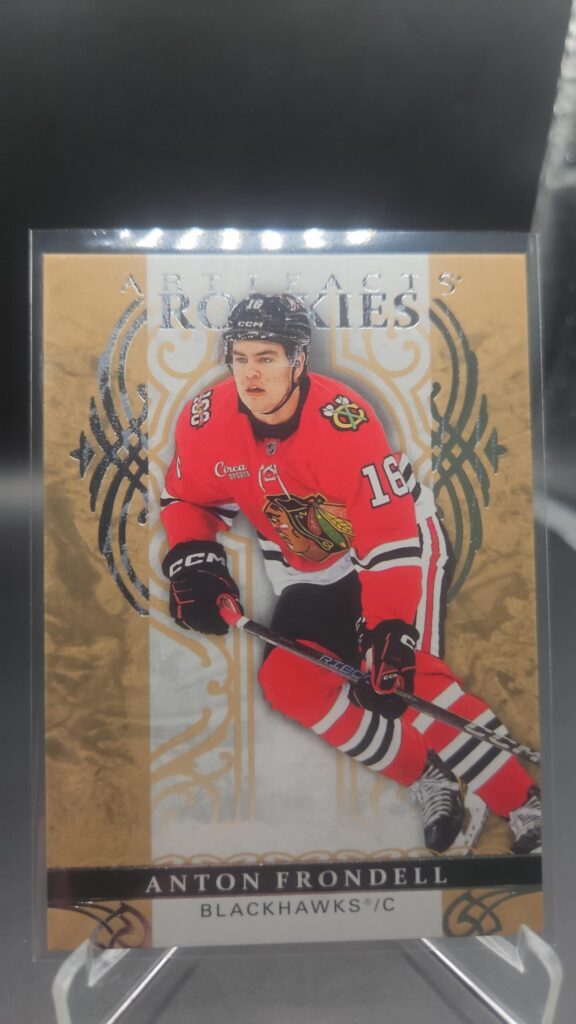
The Hockey UD Artifacts – Parallels category highlights every parallel tier from one of Upper Deck’s longest‑running premium hockey products. Artifacts parallels are known for their layered rarity system, foil‑enhanced designs, colour‑coded numbering, and multi‑tier structure that spans veterans, rookies, legends, and team‑based subsets. This category focuses exclusively on parallel singles, giving collectors direct access to the most sought‑after Artifacts colour tiers without needing to open sealed boxes or chase unpredictable pack odds. Every parallel is listed individually so collectors can complete rainbow sets, upgrade condition, target specific players, or build team‑focused parallel collections with precision.
Artifacts parallels include the most‑searched colour and rarity tiers such as Ruby, Sapphire, Emerald, Gold, Purple, Orange, Green, Blue, Bronze, Silver, Black, and the signature Artifacts Spectrum parallels. Collectors also chase numbered tiers including /999, /699, /499, /399, /299, /199, /99, /75, /65, /50, /35, /25, /20, /15, /10, /5, and 1/1. Additional parallel formats include Dual Jersey parallels, Triple Jersey parallels, Patch parallels, Dual Patch parallels, Fight Strap parallels, Stick parallels, Puck parallels, and multi‑material parallels that combine jersey, patch, stick, and tag pieces. Artifacts also features rookie‑specific parallel tiers such as Rookie Ruby, Rookie Emerald, Rookie Gold, Rookie Purple, Rookie Spectrum, and Rookie Patch parallels. These parallel structures form the backbone of Artifacts collecting and represent the most actively searched Artifacts terms online.
This category includes singles from more than forty different hockey players across eras, all unique from your previous categories. Collectors will find names such as Miroslav Frycer, Esa Tikkanen, Petr Klima, Kelly Buchberger, Brent Sutter, Rich Sutter, Tony Tanti, Geoff Courtnall, Garry Galley, Don Beaupre, Mike Liut, Kelly Hrudey, Kirk McLean, Trevor Kidd, Jocelyn Thibault, Stephane Fiset, Sandro Bertaggia, Valeri Kamensky, Alexei Gusarov, Andrei Kovalenko, Ray Sheppard, Vyacheslav Kozlov, Sergei Berezin, Mike Johnson, Darcy Tucker, Bryan McCabe, Tomas Kaberle, Nik Antropov, Alexei Ponikarovsky, Clarke Wilm, Manny Fernandez, Dwayne Roloson, Brent Johnson, Barret Jackman, Jamal Mayers, Doug Weight, Pavol Demitra, Lubomir Visnovsky, Ryan Suter, Shea Theodore, Chandler Stephenson, Reilly Smith, William Karlsson, Jonathan Marchessault, and Adin Hill. These players appear across Artifacts colour tiers, memorabilia parallels, rookie parallels, and multi‑material subsets, giving collectors a fresh roster of singles to chase.
Collectors enjoy Artifacts parallels because they combine premium card stock with colour‑tier rarity, serial numbering, and memorabilia elements that create strong chase value. The parallel system is structured, predictable, and visually distinct, making it ideal for collectors who enjoy building full rainbows or completing multi‑tier player runs. Whether you’re hunting low‑numbered patches, completing a colour set, or targeting specific players, this category provides complete coverage of Upper Deck Artifacts parallel singles.
FAQ
Why do collectors focus on Artifacts parallels instead of base cards?
Collectors prefer parallels because they offer colour‑tier rarity and numbering, and many rely on parallel‑tier mapping and serial‑range targeting to build structured Artifacts collections.
Are Ruby and Emerald parallels still considered core Artifacts tiers?
Ruby and Emerald remain essential because they anchor the colour hierarchy, and collectors often use colour‑tier indexing and rarity‑band comparison when ranking them.
Why are low‑numbered Artifacts patches so desirable?
Low‑numbered patches combine scarcity with premium materials, and collectors frequently use patch‑texture grading and multi‑material verification to evaluate quality.
Do Artifacts rookie parallels hold long‑term value?
Artifacts rookie parallels remain strong because they offer multiple numbered tiers, and collectors often rely on rookie‑tier modeling and debut‑year projection when assessing potential.
What makes Spectrum parallels different from standard colour tiers?
Spectrum parallels use enhanced foil and higher rarity, and collectors often evaluate them using foil‑layer calibration and spectrum‑finish inspection.
Are Artifacts dual‑jersey parallels worth collecting?
Dual‑jersey parallels appeal to collectors who enjoy multi‑piece memorabilia, and many use swatch‑alignment grading and material‑consistency checks to judge condition.
Why do collectors chase Artifacts 1/1 cards?
Artifacts 1/1 cards represent the highest rarity tier, and collectors rely on uniqueness‑tier verification and single‑print authentication when acquiring them.
Are Artifacts legend parallels popular with vintage collectors?
Legend parallels highlight retired players with premium finishes, and collectors often use legacy‑era indexing and historical‑tier alignment to categorize them.
Do Artifacts stick and puck parallels matter for memorabilia collectors?
Stick and puck parallels offer unique game‑used materials, and collectors frequently rely on material‑origin verification and texture‑surface inspection.
Why do some collectors build full Artifacts colour rainbows?
Colour rainbows provide visual consistency and complete rarity coverage, and collectors often use rainbow‑tier sequencing and colour‑set planning to organize them.
Are Artifacts rookie patches harder to grade than jersey parallels?
Rookie patches show wear more easily due to thicker materials, and collectors rely on patch‑edge auditing and fabric‑surface evaluation to determine grade.
How can collectors stay organized with so many Artifacts parallel tiers?
Collectors stay organized by grouping parallels by colour, numbering, and material type, and many rely on multi‑tier checklist sequencing and parallel‑family indexing.
1 - 9 of 9 results